Rolling Out a Single: The Visual Assets You Need Before Release Day
A single release needs more than cover art. Here is the visual kit we plan for, and why it should all be ready before the song goes out.
Rich Prince Media · · 4 min read
Release day is not the start of a single's life. By then the artwork has been submitted, the teasers have been posted and, ideally, people are already waiting for it. The artists who get the most out of a release are usually the ones who had their visuals ready weeks before.
Here is the visual kit we plan for when we help artists with a release campaign, and how we think about timing.
Cover art, finished early
Distributors need your artwork well before release, and they have specifications. Most ask for square artwork at a high resolution, commonly at least 3000 by 3000 pixels, and they may reject covers with web addresses, social handles, or pricing on them. Check your distributor's current requirements before the design is final, not after.
A few practical points:
- Design for a thumbnail. Most people will see your cover the size of a postage stamp on a phone.
- Make sure you have the rights to every image and font in it.
- Create variations at the same time: a story-sized vertical, a wide banner, a version without text.
Press and promo photography
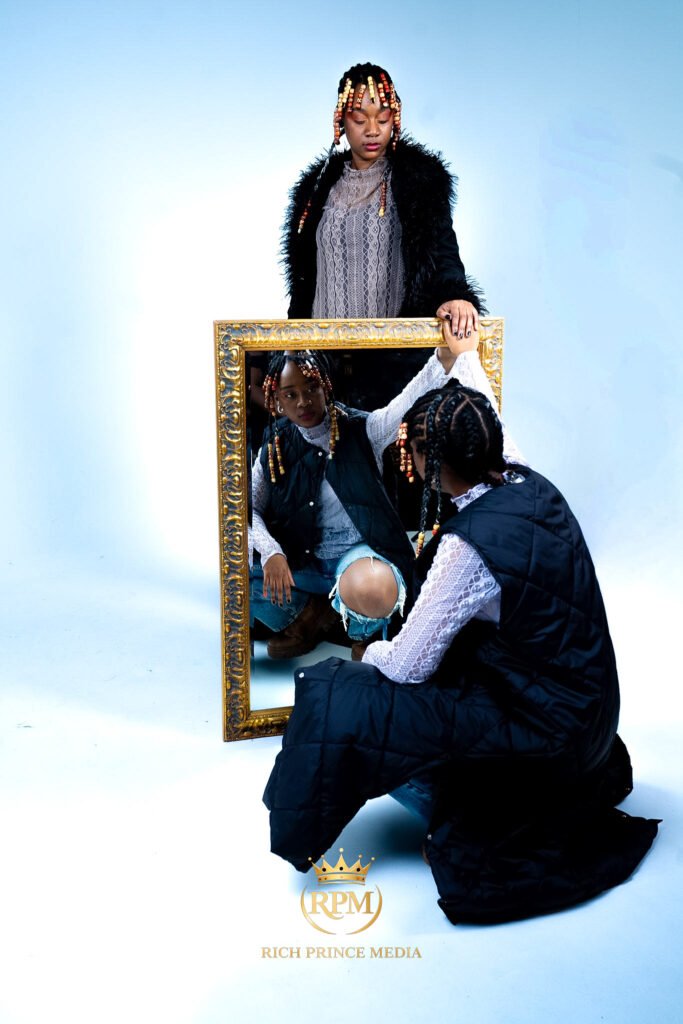
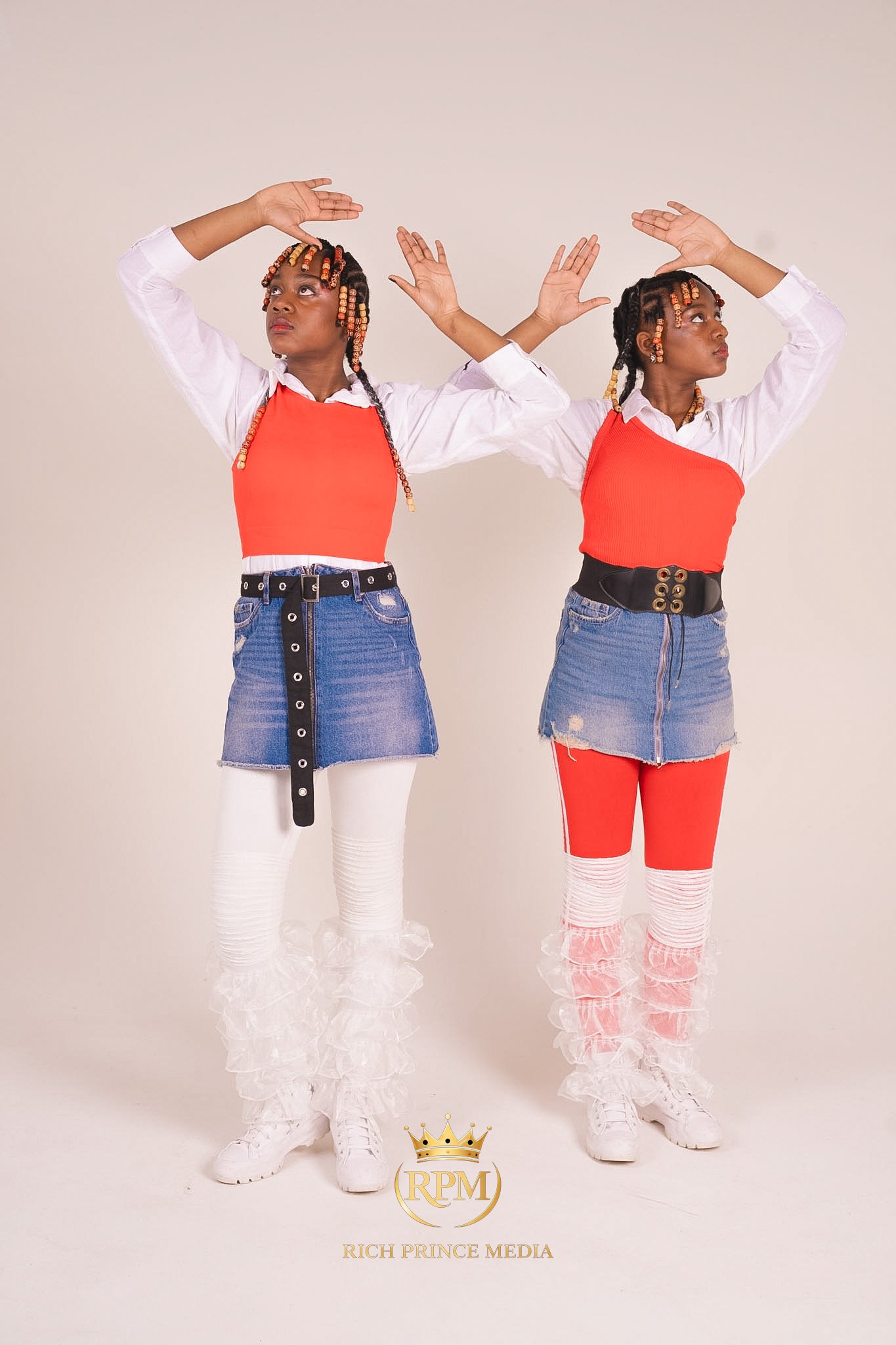
If you do not have recent press photos, the single is a good reason to shoot them. Plan a session that matches the cover's colour and styling so everything looks like one campaign. We often build this into the same day as the music video or the cover shoot. One styling call, one location, several deliverables. Our photography work for artists is usually planned this way.
Vertical teasers
Short vertical clips are the backbone of most rollouts now. You want a set of them ready before the announcement, not made the night before each post. A useful mix:
- Several short clips using the best seconds of the song.
- Behind-the-scenes moments from the shoot.
- A direct-to-camera clip of the artist talking about the song.
- A few performance moments framed for vertical from the start.
Shooting vertical as an afterthought, by cropping a horizontal frame, often loses the subject. When vertical matters, we frame for it on set, sometimes with a dedicated camera.
Streaming platform visuals
Some platforms let you add short looping video to a track, such as Spotify's Canvas, and an artist profile image and header. These have their own size and length rules, which change from time to time, so check each platform's current guidance. What matters for planning is that these assets exist and need to be shot or designed. A few seconds of looping footage from the video shoot usually works better than an animated version of the cover.
Visualizer or lyric video
A visualizer is a simple video that plays the full song with moving imagery. A lyric video adds the words. Both give YouTube something to hold while a full music video is in production, or sit alongside it. They can be modest in cost if planned from the start, using footage and graphics from the main shoot. Our post-production team handles these with the same colour and typography as the rest of the release.
The music video
If there is a music video, decide early whether it premieres on release day or a little after. Both can work. Releasing the video later gives the single a second moment of attention. Either way, the video should be finished, graded and delivered in all the formats you need, including a vertical cut, before its premiere date. Rushing a video out to meet a date usually shows. We cover planning and delivery for this under music video production.
Thumbnails and announcement graphics
Do not forget the small pieces:
- A YouTube thumbnail for the video and the visualizer.
- An announcement graphic with the release date.
- An "out now" graphic for release day.
- Story frames with a clear link sticker area.
These are quick to make once the cover and photos exist, and annoying to make on release morning.
A simple timeline
Every release is different, but a calm schedule tends to look like this:
- Several weeks out: concept agreed, shoot day planned, cover art in progress.
- Shoot day: music video, photos, vertical teasers and behind-the-scenes captured together.
- Before distributor deadline: final cover delivered and submitted.
- Two to three weeks out: announcement, pre-save link, first teasers.
- Release week: platform visuals live, visualizer or video ready, daily clips scheduled.
- After release: live clips, reactions and a second wave of content.
Keep everything in one place
Create one shared folder with clear names: covers, photos, vertical clips, graphics, video masters. Include the approved captions and credits. When a blog, a playlist curator or a promoter asks for assets, you can send a link in a minute rather than digging through your phone.
One shoot, many uses
The thread through all of this is planning. A single well-organized shoot day can produce most of a rollout's visuals, as long as everyone knows the list before the cameras roll. That is cheaper and more consistent than piecing a campaign together from separate sessions. It is also the approach behind our release campaign planning.
If you have a single on the way and want to work out which assets you really need, we are glad to help you build the list. Get in touch with your release date and we will work backwards from there.