The Modern EPK: What Promoters, Labels and Press Actually Open
An electronic press kit is read in seconds, not minutes. Here is what the people deciding on bookings, signings and coverage actually look at first.
Rich Prince Media · · 4 min read
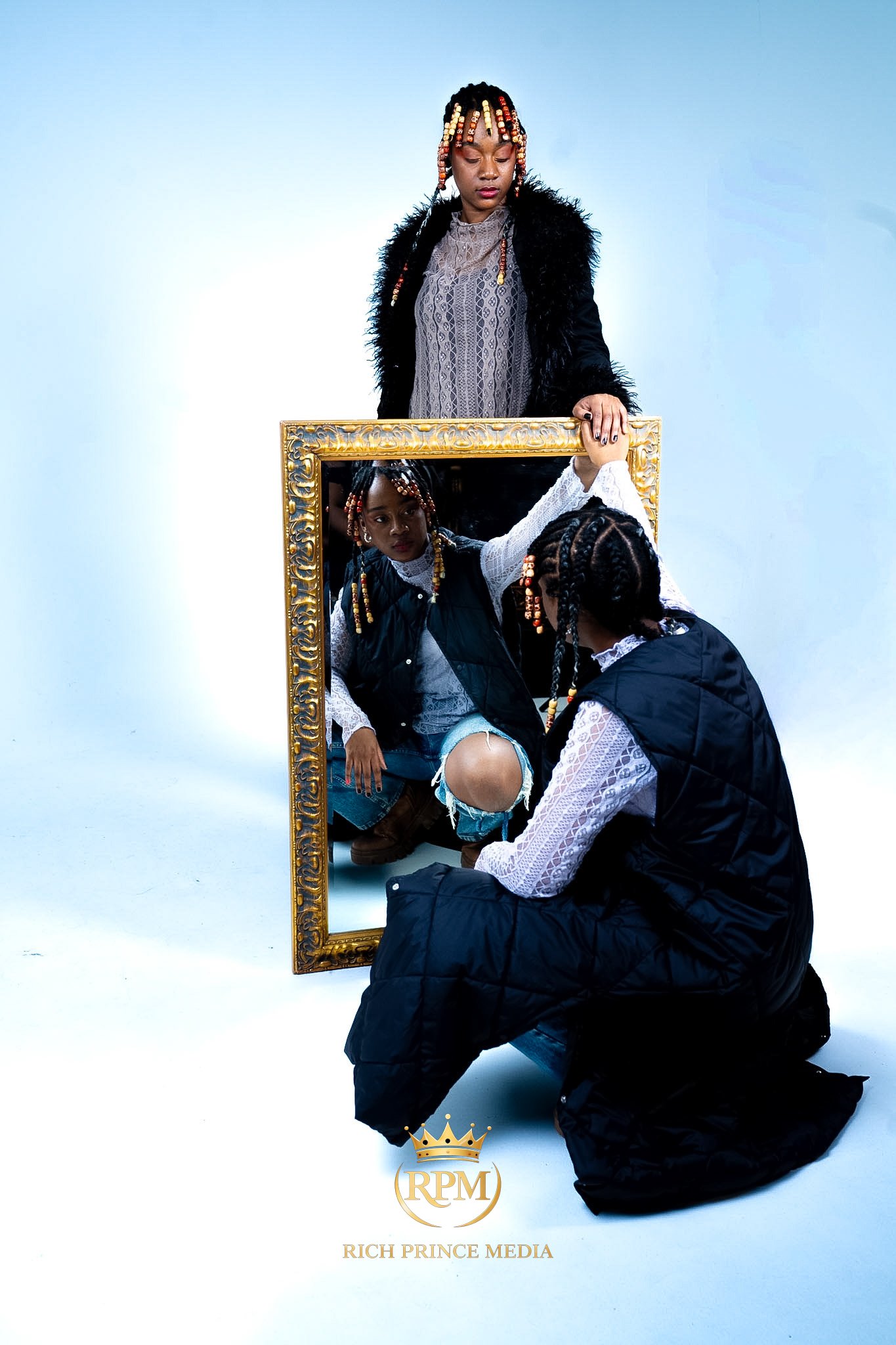
An electronic press kit, or EPK, is the document that speaks for an artist when the artist is not in the room. Promoters use it to decide on bookings. Labels and managers use it to decide whether to take a meeting. Journalists use it to write a paragraph or decide not to.
The uncomfortable truth is that most EPKs get a quick look, not a careful read. The people opening them receive a lot of submissions. Your job is to make the important things impossible to miss.
What gets opened first
From our experience building EPKs as part of artist development, the order of attention usually looks like this:
- The music. One click to listen. Not a download, not a login.
- A strong photo. It tells the reader within a second what kind of artist this is.
- A short bio. Two or three sentences they can copy.
- Video, especially live performance for promoters.
- Contact details, clear and current.
Everything else is supporting material. It matters, but only after these are right.
The music
Lead with your best track, not your newest one, unless they are the same. Use streaming links that play instantly. For unreleased music, a private streaming link is better than an attachment. Big audio files in an email are often ignored or blocked.
Three to five tracks is plenty. A full catalogue does not help someone who has two minutes.
Press photos
This is where many EPKs fall down. Phone photos, inconsistent styles, or a single tightly cropped image that will not fit a website header. A useful press photo set includes:
- At least one horizontal and one vertical image.
- High-resolution files suitable for print, plus web-sized versions.
- A mix of close portraits and full-length images.
- Some images with clean space around the subject so editors can crop or add text.
- Photo credits written clearly, so publications can credit the photographer correctly.
We plan press photography specifically for these uses. A beautiful image that only works as a square is not a press photo, it is a post. Our photography sessions for artists usually deliver both.
The bio, in three lengths
Write the bio in the third person and supply it in three lengths:
- One line for listings and social captions.
- A short paragraph for press and show announcements.
- A longer version of a few paragraphs for features and label conversations.
Say what the music sounds like in plain words. Mention where you are from and what makes your story yours. Avoid comparisons to famous artists unless a credible outlet made them first. And only include quotes, achievements or numbers that are real and verifiable. A journalist who catches one exaggeration will doubt everything else.
Video
Promoters want to know you can hold a room. A live clip, even a short one, is often more persuasive than an expensive music video. Include both if you have them: one piece that shows the artistic vision, and one that shows the live show.
An on-camera interview can also be valuable. It lets a label or journalist hear how you speak about your work. When we worked with the twin duo Gem Shadou, the media package included an interview alongside the photography and reels, because personality is part of what is being presented.
For promoters: the practical page
Promoters and venues need information that press does not. Keep a separate section with:
- Performance history, listed honestly.
- Band or performer lineup.
- A basic technical rider and stage plot.
- Set length options.
- Booking contact.
This saves an email exchange, and promoters notice artists who make their job easier.
Format: web page or PDF?
We generally recommend a simple web page as the main EPK, with a downloadable folder for high-resolution photos. A web page can be updated when a new single comes out, it works on a phone, and you can share one link everywhere. A PDF can be useful as a backup, but keep it light and make sure the links inside it work.
If you already have a website, the EPK can live on a hidden or clearly labelled page there. If you need help building it, that is something our web design team handles alongside the content.
What to leave out
- Every photo you have ever taken. Choose the strongest eight to twelve.
- Long lists of minor achievements.
- Out-of-date contact details or old lineups.
- Links that require logins or permissions.
- Anything you would be uncomfortable seeing printed.
Keep it current
An EPK is a living document. Update it with each release, each notable show and each new photo session. An EPK that still leads with a single from two years ago tells the reader the project might have stalled.
A quick check before you send: open it on your phone, on a slow connection, as if you were a busy stranger. Can you hear the music, see who the artist is and find the contact in under a minute? If yes, it is doing its job.
If your EPK needs new photos, video or a cleaner structure, we are happy to look at what you have and suggest what is missing. Reach out and send us the link.