Thirty Years Behind the Camera: What Has Changed in Production and What Never Will
From film stock to digital cinema to vertical phones, the tools have changed completely. Some reflections on what that shift has meant, and what has stayed the same.
Rich Prince Media · · 5 min read
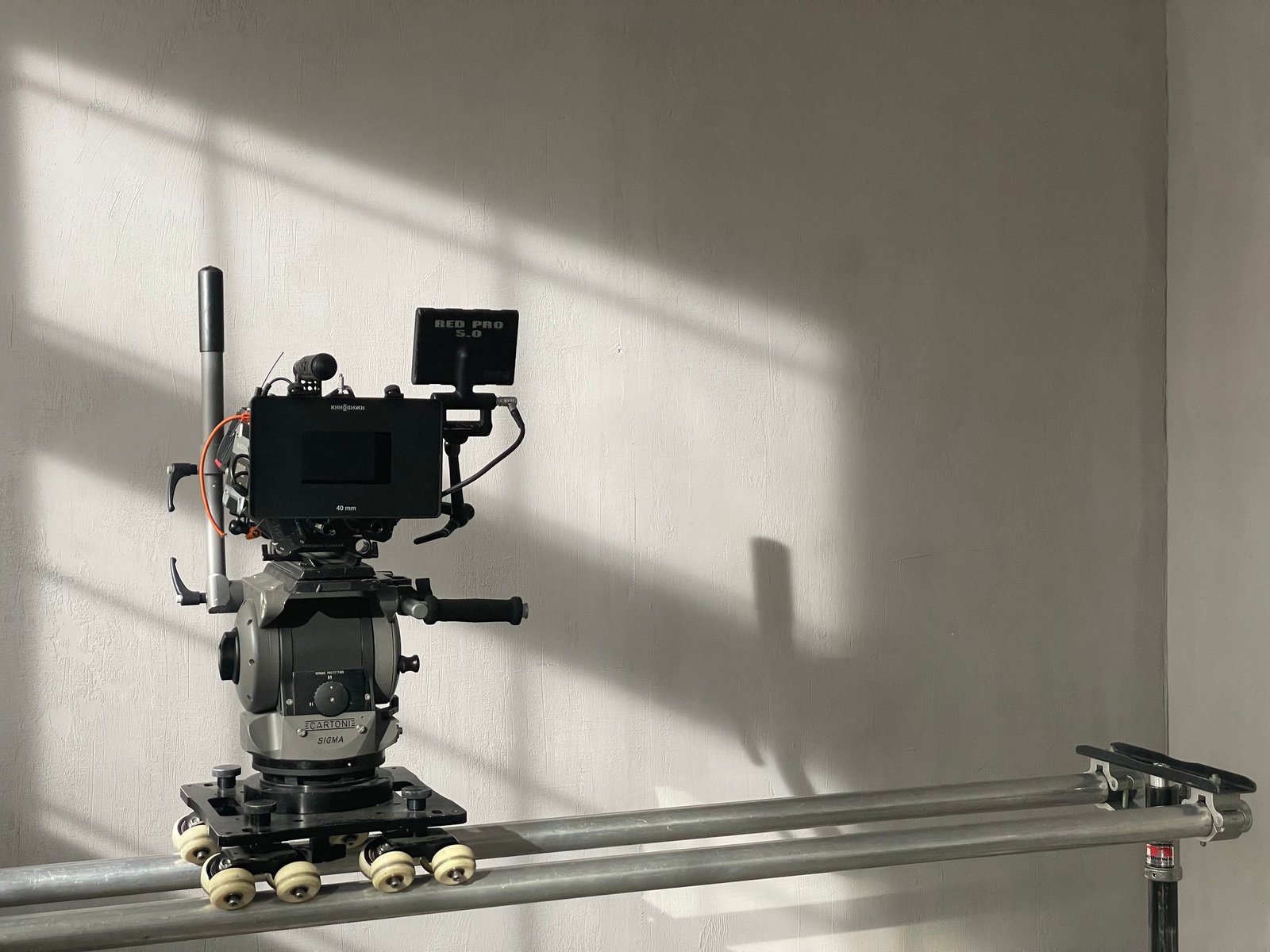
I have been on set since 1995. That is long enough to have watched the tools of this trade change almost completely, sometimes more than once. People who come into the business now often ask me what it was like before, and whether the changes have made the work easier. My honest answer is that some things are much easier, some things are harder, and the most important things have not changed at all.
These are a few reflections from three decades behind the camera.
When every frame cost money
When I started, a lot of serious work was shot on film. Film taught a particular discipline. Every roll of stock had a cost, processing had a cost, and you could not see what you had until it came back from the lab. You rehearsed more. You lit more carefully. You called "action" only when you meant it.
That pressure had a real effect on how crews worked. Directors and camera operators learned to decide before rolling. Planning was not a nice extra, it was how you protected the budget. I still think that habit of deciding first is one of the most valuable things a filmmaker can have, even though the economics that forced it are mostly gone.
The digital shift
Digital changed the maths. Tape formats came first, then file-based cameras, and eventually digital cinema cameras that could stand next to film for image quality. Today on our sets we shoot on ARRI ALEXA cameras, and the image holds up for anything from a commercial to a feature-style music video.
The gains are obvious. You can see your image immediately. You can roll longer, try more, and give performers room to find something. Small teams can now produce work that once needed a far bigger crew and budget. Post-production moved from specialized facilities onto workstations, and colour grading became a creative tool for almost every project, not only the biggest ones.
But I have also seen the cost of having no limits. When recording is effectively free, it is easy to stop deciding. Some shoots now capture hours of footage with no clear idea of what the film is, and the decision-making gets pushed into the edit, where it is slower and more expensive. Abundance is a gift only if you treat it with the same respect we used to give to a roll of film.
From one screen to every screen
For most of my early career, a production was made for one destination. A television spot, a cinema screen, a corporate presentation. You knew the frame, the length and the audience.
Now a single piece of work may need to live as a long-form film, a 30-second spot, a 6-second bumper and a handful of vertical clips, all at once. The phone screen, held upright, has become one of the most important frames in the business. That would have sounded strange to me thirty years ago. A tall, narrow image was something we avoided.
I have come to enjoy it. Vertical framing forces you to think differently about composition, faces and movement. It rewards intimacy. What I push back on is the idea that vertical content does not need craft. The best vertical work I see still has good light, clean sound and a clear idea. The rules of the frame changed. The need for care did not.
What clients expect now
Clients have changed too, mostly for the better. Many marketing leads today understand video far more than their counterparts did when I started. They know what a cut-down is, they think about captions and aspect ratios, and they want content that keeps working after launch.
The tension is around speed and volume. Expectations of turnaround have shortened a great deal, and the number of assets expected from a single shoot has grown. I understand why. The way we have responded is through planning: building shot lists for every format before the day, and offering recurring shoot days through our Production Club, so brands get a steady rhythm rather than one rushed production a year.
What never changes
Underneath all of the technical change, the core of this work has stayed exactly where it was in 1995. A few things I am sure of:
- Story comes first. No camera, lens or software has ever rescued a film that did not know what it was trying to say.
- Light is still the craft. Sensors are more forgiving than film, but the difference between an image that feels considered and one that just exists is still the light.
- Sound is half the picture. Audiences forgive a soft shot. They do not forgive bad audio.
- People make the set. A calm, prepared crew gives performers and subjects the confidence to do their best work. That has nothing to do with technology.
- Preparation is respect. For the client's budget, for the crew's time and for the people in front of the camera.
The tools will keep changing. The job is still to find the truth of a moment and put it in front of someone in a way they feel.
Looking ahead
I expect the next few years to bring as much change as the last thirty, with new tools for capture, editing and distribution arriving faster than ever. I am curious about all of it. But I do not think the fundamentals will move. The people who will do well are the ones who learn the new tools and keep the old discipline.
That balance is what I try to bring to every project at Rich Prince Media, from film production to short social pieces. You can read a little more about how we work on our about page. And if you have a project in mind, or just want to talk about where the craft is heading, I would be glad to hear from you.